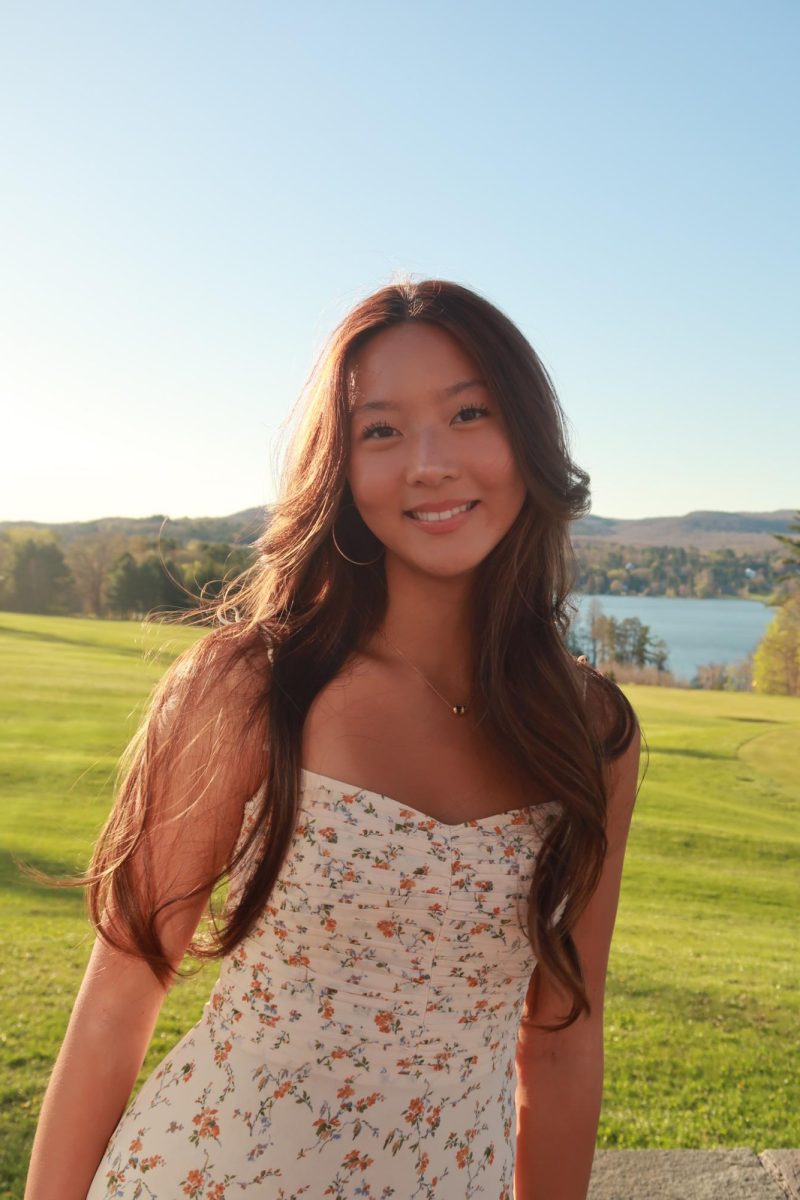
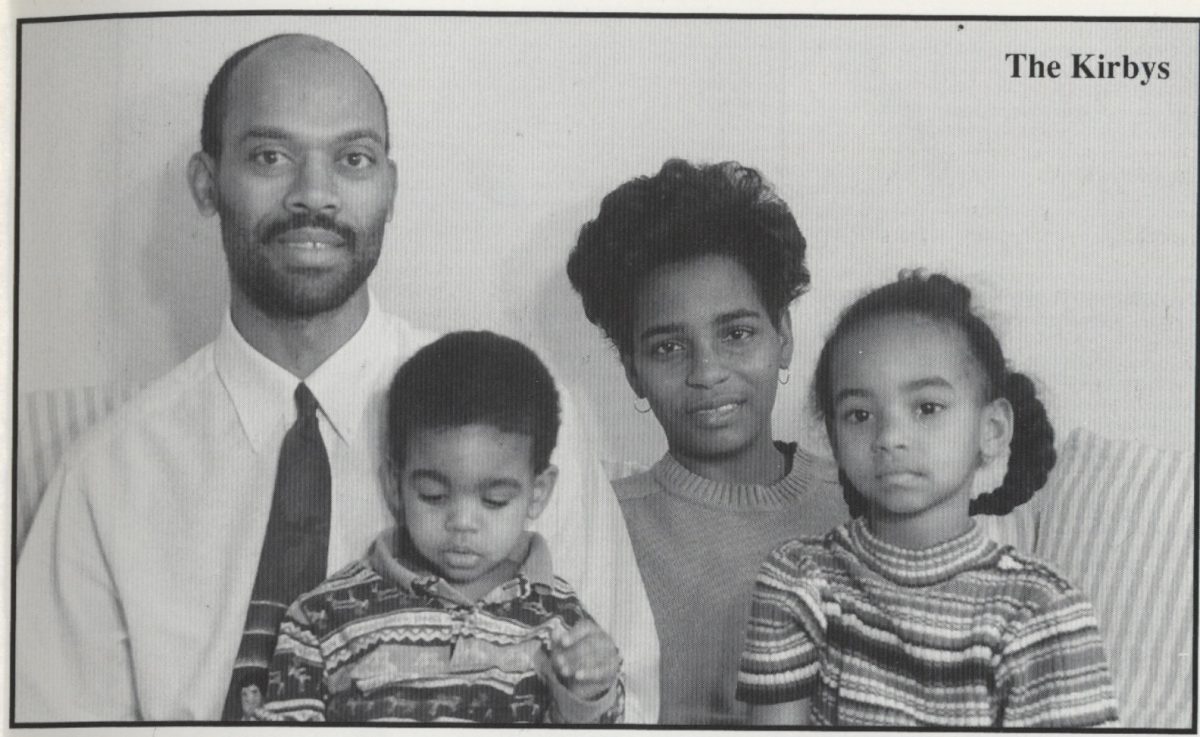
Dr. Richard Kirby (DK), instructor in chemistry, has taught at the school for thirty years and coached Varsity Track and Field and multiple soccer team for over twenty years. He holds the Independence Foundation Chair and received the Lufkin Prize in 2013.
DK earned his B.S. and Ph.D. in chemistry from the University of the West Indies and his M.S. in industrial and technical management from Central Connecticut State University (CCSU). DK joined Hotchkiss in 1996 after teaching at Wesleyan University and CCSU. In 2005, DK led both the Girls and Boys Varsity Track teams to win the Founders League Championship, and the Boys in 2004, as well.
What led you to teach here?
The last place I saw myself was teaching high school. In my first year at the University of Guelph, when I was only in my 20s, I was diagnosed with cancer. That was a life-changing event for me: it made me reflect more, because everybody I knew who got cancer didn’t last very long. So I decided to come closer to family, and the way I did that was by going back to school.
On one occasion, I was meeting with a professor who taught me as an undergrad, and he said to me, “You should try applying for one of these schools.” As it turned out, Hotchkiss had a chemistry position. My training was primarily in chemistry, so I decided to take the job here.
What do you think the school stands for?
Hotchkiss has a tradition of excellence. I think it is a place where gifted and talented students are able to excel—not only in math and science, but in the arts. Some kids in my classes left school, traveled for a music performance, got back at midnight, and were up and in class the next day! The thing that I am most proud of is excellence in so many different ways: on the volleyball court, on the basketball court, on the track. Some kids come in and they’ve never done track, but they pick it up, they grow, they develop, and they excel. I think that needs to be the focus for Hotchkiss going forward—and I think it is!
Throughout your career, what have been some of the most notable moments interacting with students?
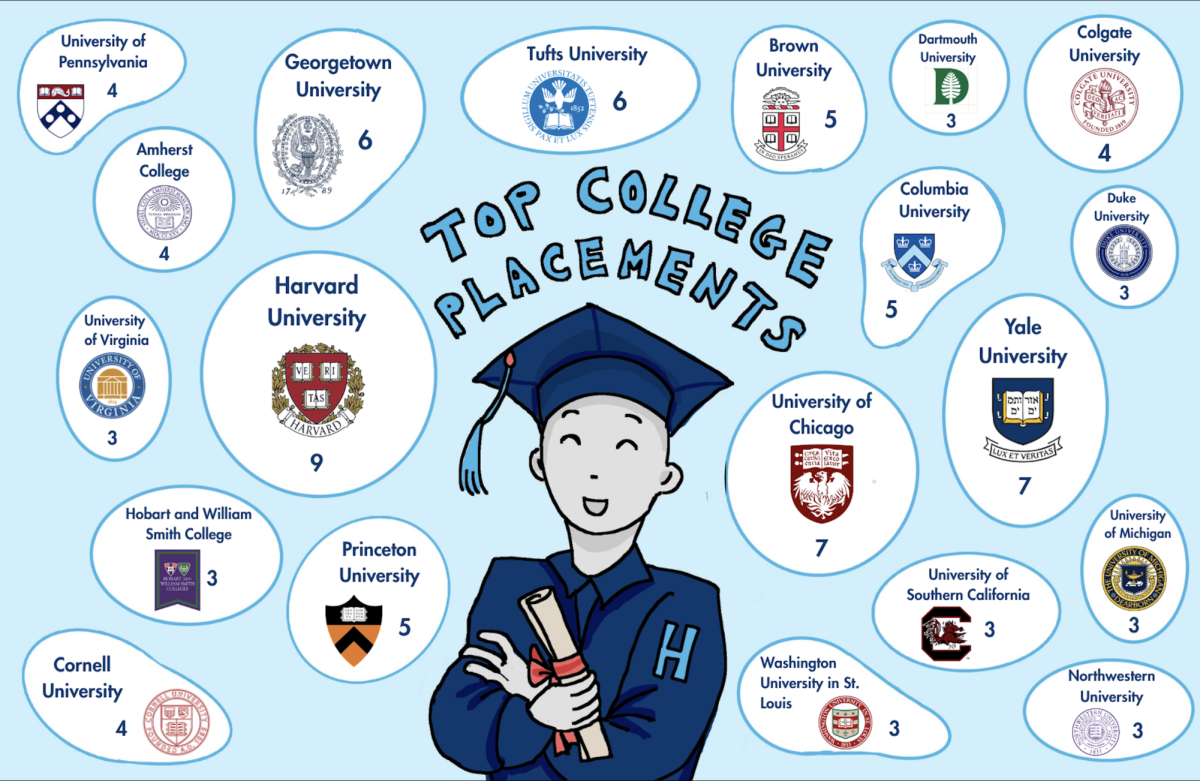
Fairly recently, I had a student in Honors Chemistry, and she was failing tests. But she stuck with it, and she ended up with an A-. The next year, she was in an advanced chemistry course I was teaching. This particular student ended up at Harvard. It’s those situations that stand out most: it’s not always the kid who’s getting 99.9%; it’s the kid who is struggling and sticks with it.
What is your relationship with track and field—as a sport you participated in and one you now coach?
With track, you don’t have to be the best guy on the team to participate. It is, in a sense, more inclusive. You have a chance when you are young to run and grow, and eventually you are someone who can score points.
What I say to my track team is, “Prepare, and when you go out on the track, do your best. And if you do your best, it’s gonna be good enough, and the scoreboard will take care of itself.” Even if we are the best team in New England or the worst team, it doesn’t matter. We can go out there and do our best, and improve, and participate. Track, to me, is that.
In what ways do you consider yourself a mentor?
I had an advisee who was physically disabled. He came in as a Prep to my advisory, and I made a commitment: I’m not going to leave you here. I was going to see him through. I was going to hug him when he needed a hug; I was going to be there—and even now he writes me. This student did track every year, and watching him do every workout inspired me. Let’s say we’re doing 200s, and he’s coming up and he has no one to hand the baton to and he says “DK!” I take it, and I’m running. In those settings, you naturally fall into the role of a mentor.
The students I teach and coach might add up to 200 a year—I wish it was all 600. But I put myself out there and try to be a mentor to as many kids as I can be.