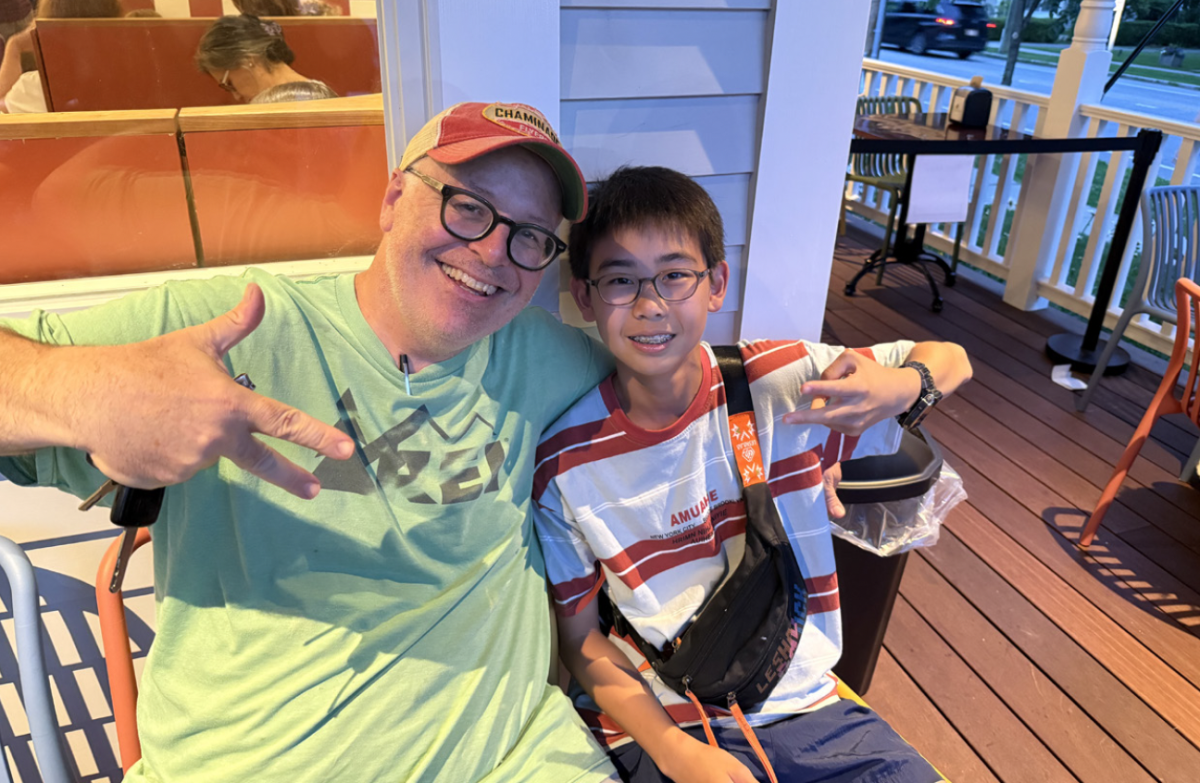
With rolling applications open for Summer Portals, Staff Writer Jeremy Cao ’28 interviewed Mr. Rick Hazelton, dean of summer programs, to learn more about the offerings. Former Portals students Alicia Feng ’28, Wyatt Groves ’29, and Mark Gu ’29 also reflect.
How would you describe the Summer Portals program?
The Summer Portals run for a month. They’re divided into two sessions, and students can come for the first session or second session or both. We have mostly middle school students.
It’s intended to offer a very experiential, hands-on type of learning. Students only do one course for the entire two-week session. It’s intended to be very immersive. They don’t take traditional academic courses like Algebra, Biology, Chemistry, or U.S. History. We have courses such as Rocketry, where students build a rocket and shoot it off; Robotics, where students make their own robots; and Structural Engineering, where students make their own planes.
We want the summer to be very different from the school year. For example, if you were in physics class and you really like rockets, but you have to go to history next, then you don’t have time to keep on working with rockets. Summer Portals gives you the opportunity to work on rockets for two weeks.
What does a typical day in the Summer Portals program look like?
Students go to breakfast and then are in class from 9 to 3 p.m. with a break for lunch. They have activities after class from 3:45 to 5:15 p.m. and then dinner. They have dorm activities from 7 to 8:30 p.m. and then check-in. On the weekends, we have different trips. For example, we might go to a minor league or a Mets game, to a waterpark, or go hiking. At least one weekend activity includes the entire camp.
How do academic components balance with fun activities?
It’s pretty well-balanced, because the academic day is highly hands-on and then there is no homework. So once three o’clock hits, our campers are able to do whatever they want to do in terms of activities. We offer a wide range of activities, including creative writing, landscape painting, art, theatre, basketball, soccer, and things like that.
What kinds of skills do students develop in Summer Portals?
Inquiry skills, for sure. Students gain an ability to inquire and interrogate questions, whereas, in a normal class, you’re confined a bit by what the subject is on that day. In Physics of the Electric Guitar with Mr. Bill Fenton, students learn to build an electric guitar, but they also experiment with how to make different sounds.
Are there any new directions planned for Summer Portals in the coming year?
Our program this year is pretty much the same as last year. Last year, we had a lot of changes; we added Baseball Analytics and extra sessions of Speech & Debate and Writers in Writing, the most popular programs. Rocketry is probably our class that fills up the most, and I am considering adding a second session of that as well.
Are there any moments or stories from past summers that particularly capture the spirit of the program?
There were a couple of kids who wanted to go home on the first couple of days who then stood up and talked to the student body and are coming back the next year and bringing their friends. Those are great moments.
In school, students tend to be individually centered. But when you live in a community, which is something Hotchkiss fosters, you start to think about the other people living around you. When you’re in middle school, it’s a little bit harder to understand the community and other people and celebrate everyone’s success. So when I see students at the end of the program who might have no interest in theatre or art celebrating other kids’ work and helping other kids out, when I hear about them picking up a kid who might be homesick or helping a kid who might be struggling, those are the wonderful moments. They learn how interdependent they are.
How do you measure the success of the program?
We measure success by the number of returning students and by our enrollment. Our enrollment over the last four years has increased dramatically. On a pragmatic level, our revenue has increased each year the last four years. After all our costs, we made $1 million dollars which is significant.
We also measure success by the end of the program on the last day. Every student presents an Expo, which is a presentation of what they’ve done and learned. I measure success by seeing kids who came here lacking confidence or unsure about what they want to do, or worried about living away from home, who are able two weeks later to stand up in front of the school, talk about what they did, and show all the things they discovered.
Why is it important for the school to invest in programs like these?
We use our summer programs to offer exciting immersive experiences so that students will understand that Hotchkiss is a place where their curiosity and wonder will be satisfied and fostered. If people start to see our school as a landing place for summer, they’ll start to see it as a landing place for their high school years.
A very pragmatic reason is that it’s good financially for the school. We have beautiful facilities such as our dining hall, turf fields, the MAC, an amazing EFX lab, art studios, and science facilities. So we are able to utilize our physical resources to generate income for the school.
If you could summarize the value of Summer Portals in one sentence, what would it be?
Two weeks of unfettered access to your curiosity.
Student Highlight
Mark Gu ’29
I attended the Piano Portal in 2024. Through opportunities provided by Mr. Fabio Witkowski, I was able to learn from different professors and participate in their lectures. I also got to know many students my age who shared the same passion for piano. The supportive and inspiring environment that the school provides for its music students played a significant role in my decision to choose Hotchkiss
 Wyatt Groves ’29
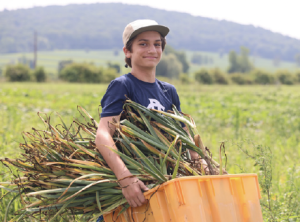
My experience at Summer Portals was like no other. Before the summer, I was interested in Hotchkiss, but after living on campus for two weeks, I really got a sense of what life would be like living here. Every day my curiosity flourished while I got to expand my knowledge and challenge myself. In my Environmental Sciences course, I connected with college professors and Audubon researchers. What I think set the program apart from any other is the hands-on, immersive environment.
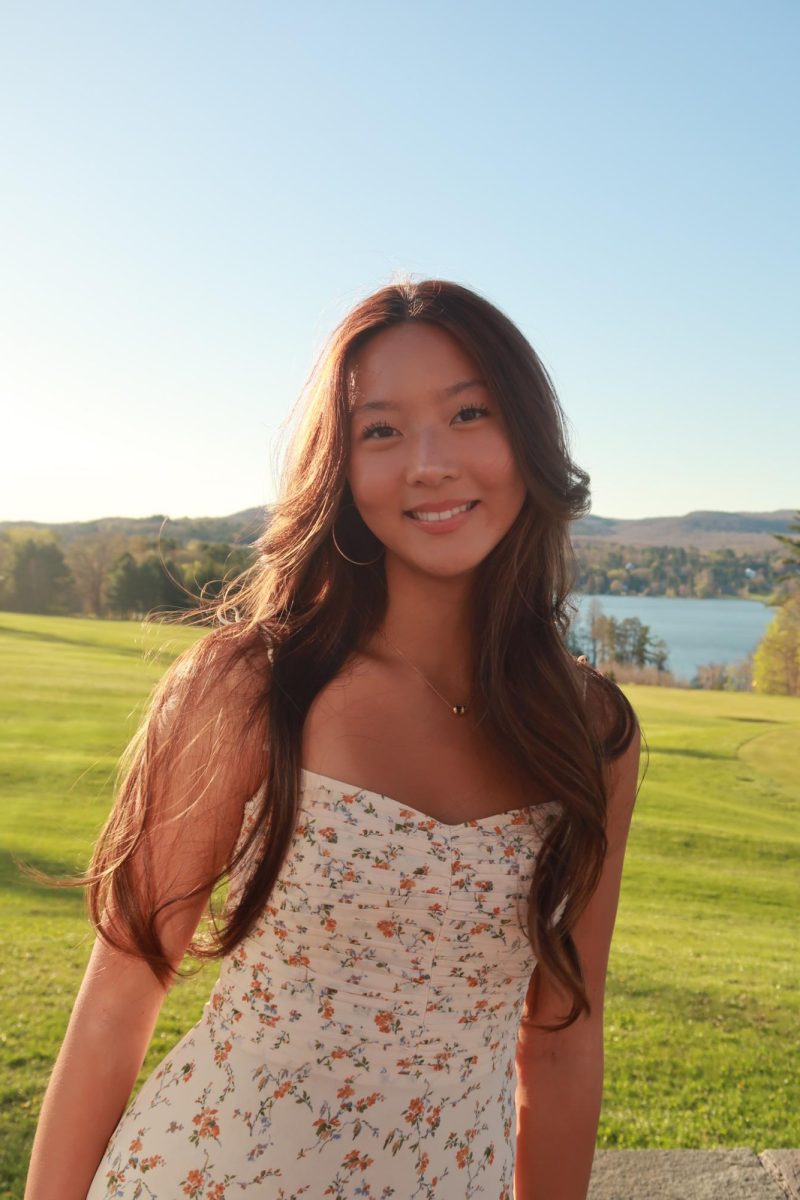
 Alicia Feng ’28
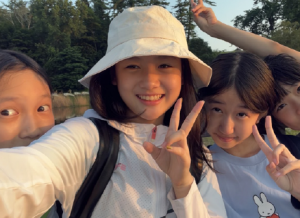
I attended the Environmental Science and Fly Fishing programs in 2023. The sheer number of students and activities was overwhelming at first, but looking back, it was amazing how quickly you could bond with others and establish valuable friendships. The coolest thing about the experience is that I’ve gotten to rekindle some of the relationships I made during Portals because so many of us ended up at Hotchkiss for high school.