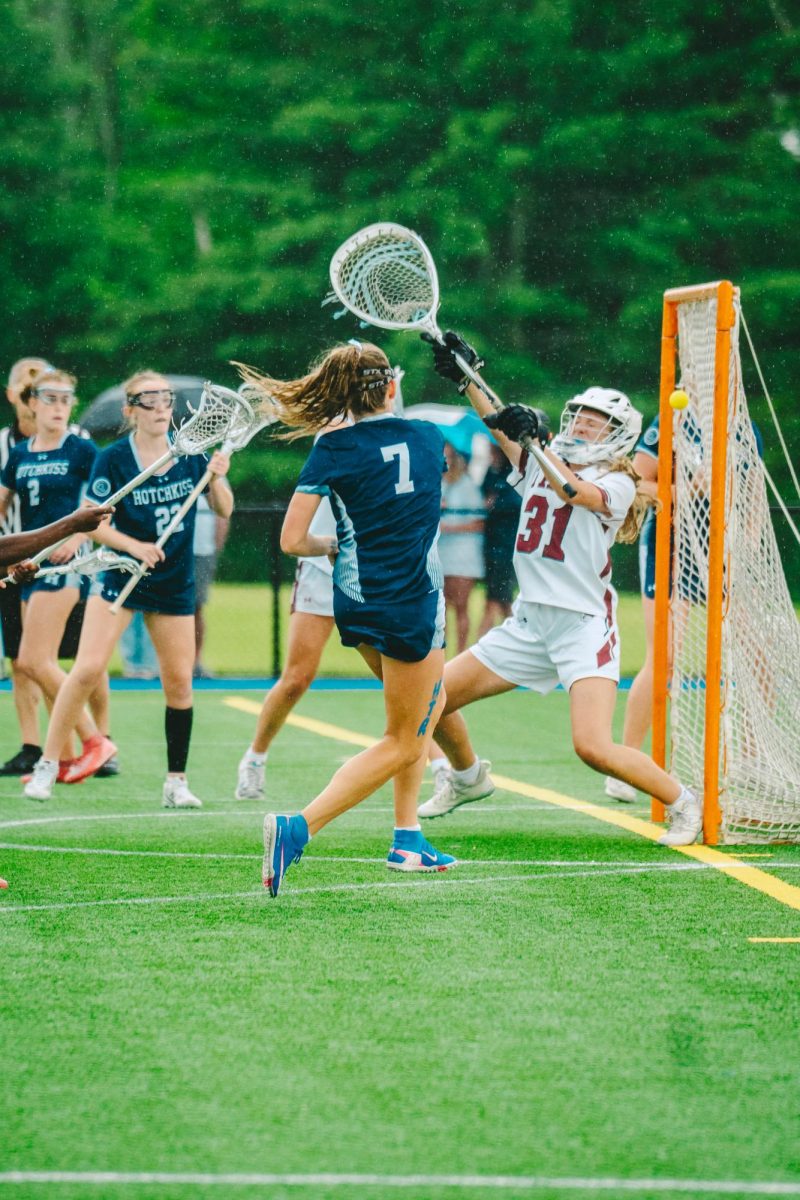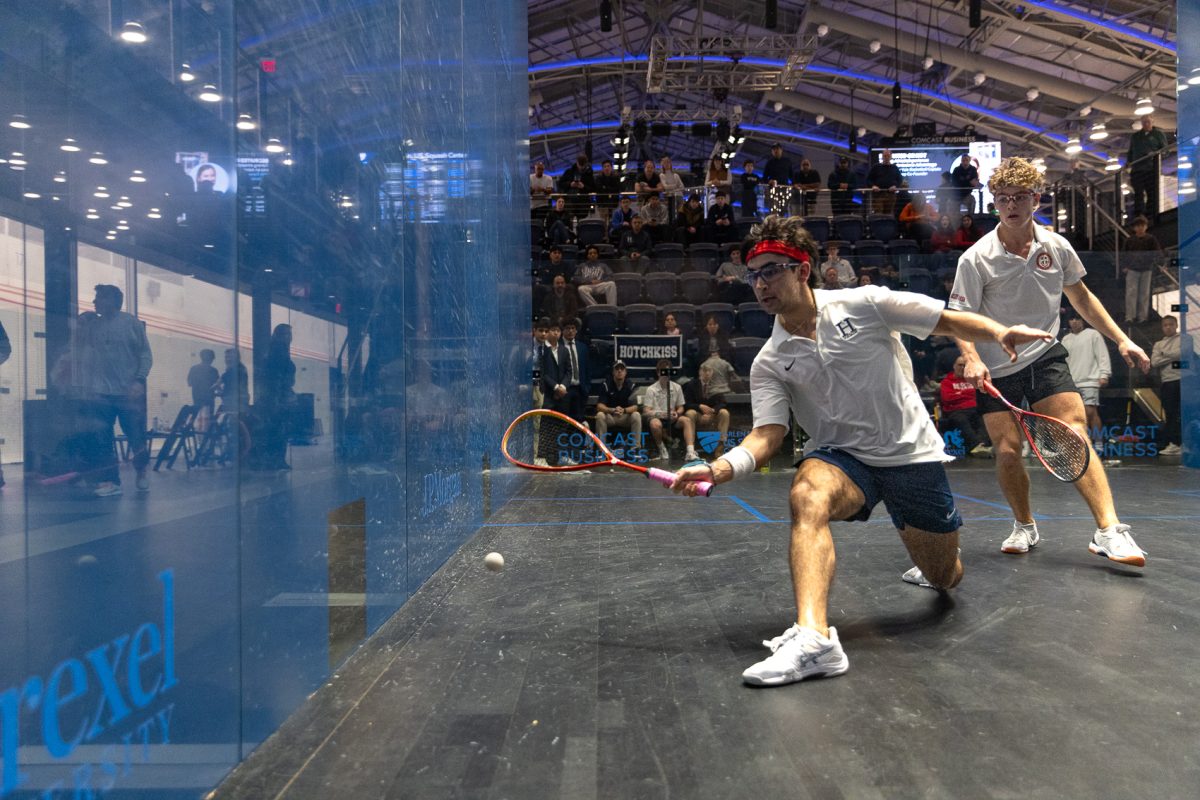

Every athlete knows that feeling when everything around you slows down, your reflexes quicken, and you know the ball will land in the right place before it even leaves your hand. This phenomenon, known as flow, is the jackpot all athletes strive for in every game; yet most only enter it a very few times in their careers. Elite athletes achieve it more consistently, because they set the correct conditions for flow to occur by using visualization.
Visualization isn’t just crossing your fingers and hoping for a legacy performance. It is the practice of repeatedly recreating the conditions for success in your mind. When you visualize slotting that rolling cross-court knick at 10-10 in the fifth, your brain fires the same neurons that fire when you actually perform the moment. When you think about your shoulder muscles that tense, the weight transfer through your shot, and the snap of your wrist, your brain experiences an echo of what happens when you are actually on the court.
The best visualizers picture every single detail of information—the smells, the sounds, or even how their feet feel in their shoes. Olympic skier Emma Cook said, “You have to smell it. You have to hear it. You have to feel it, everything.” The more detail a visualization contains, the more connections you build in your brain, helping you achieve flow.
The biggest barrier standing between you and finding flow is doubt. When your mind stops second-guessing, muscle memory takes the wheel, driving you to success. Take tennis pro Novak Djokovic, for example, who imagines tough points and visualizes how he would overcome each scenario. This provides him with a sense of familiarity, so when he finds himself returning that 149-mile-an-hour serve or a ten-foot-high lob, he has already rehearsed them in his mind. He eliminates self-doubt, because he has been there before—not physically, but mentally.
The players who reach flow constantly are not lucky; rather, they put in the constant work playing out every scenario in their heads, point by point, rally by rally, both the triumphs and the pressure points.
I urge you, before your next game, sit down and close your eyes. Imagine the smell of the fresh cut grass or the tire smell of the squash ball. Feel the tiny pieces of dirt or turf that get stuck in your cleats or hear the scrape of your skates on the ice. Play out every in-game scenario you can think of and visualize what you will do.
An elite athlete is expected to have a strong body and must have an even stronger mind to compete at the highest level. While physical conditioning may be the vehicle, mental conditioning is the engine, and visualization is the key to start up the car.